One platform, two worlds: e-commerce and network marketing under one roof
2022–2023
Discovery and UX strategy for love brand Bewit — rebuilding an e-commerce platform where consumer e-commerce and network marketing had to coexist without users getting lost in the process.
Intro
Bewit had grown for eight years around one founder's mission: helping people live healthier, more conscious lives. It grew the way the best brands do — people loved the products and told others about them. Founder Jiří built the company on the strength of recommendation, innovating network marketing by uncompromisingly stripping every pressure tactic out of it.
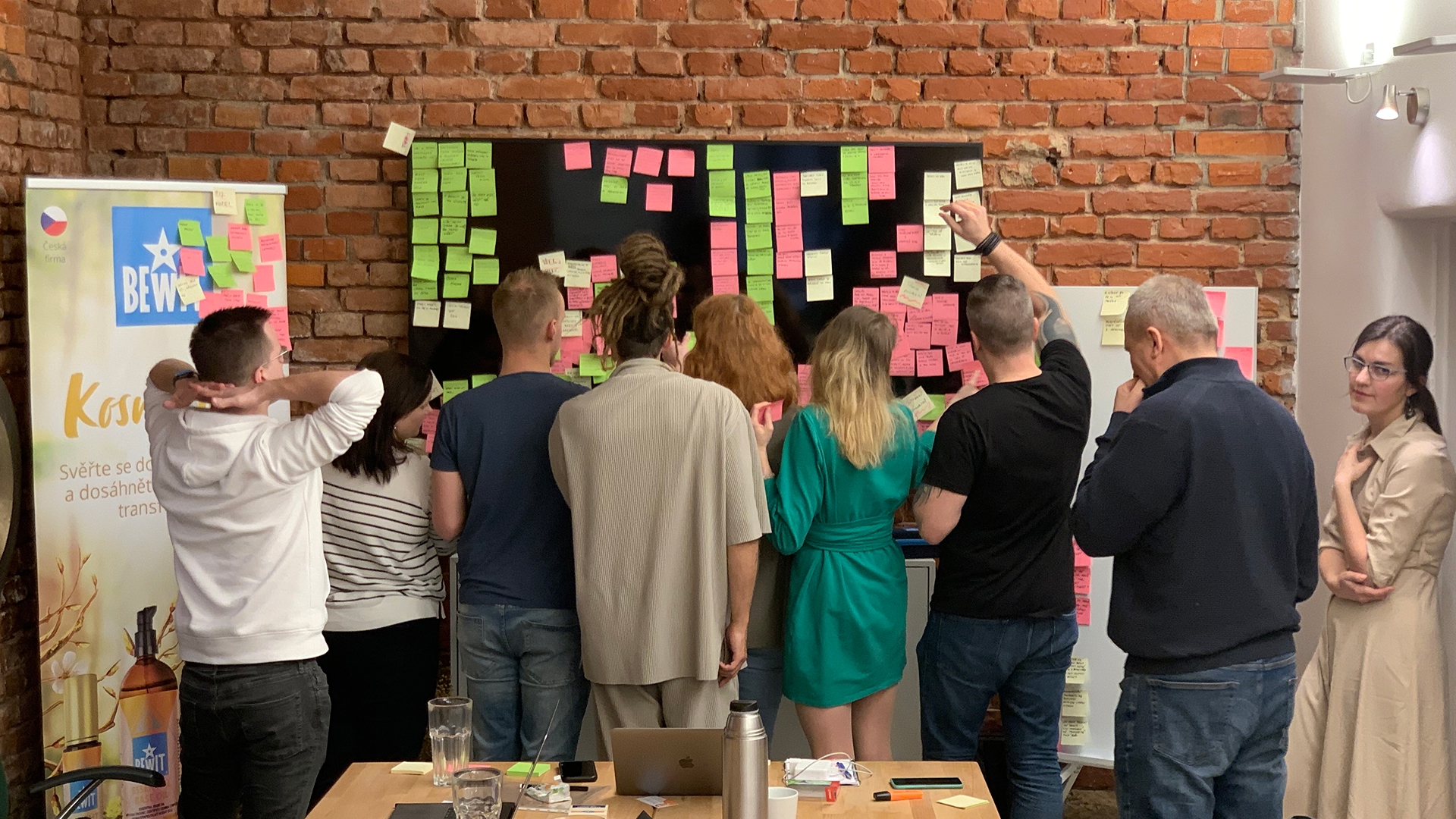
Alongside its business partners the shop opened up to ordinary end customers too, but the system wasn't quite ready for it. We joined to run discovery — workshops, interviews, wireframes, and a prototype — to improve the experience for both groups of customers.
Team
Design
Matej Hlavacek & Ondrej Sedlacek — Two UX designers working as a pair across the whole project. We split ownership (I led the partner office, Ondřej led the storefront) and kept a tight loop of mutual critique, each pressure-testing the other's decisions.
Client (Bewit)
Jiří (founder/CEO), Marek Liška (CMO) and the internal team.
“I had the pleasure of working with Matej on a UX of this e-commerce project, and I was impressed by the approach and know-how he brought to it. The opening workshops he and Ondrej ran opened our eyes in many ways and helped us bring together requirements from several departments into one coherent project. Matej has extensive experience in product design, company branding, and web projects, which showed clearly throughout our collaboration through his innovative ideas and solutions. Thanks to his friendly approach, our regular meetings were always a pleasure — something I genuinely looked forward to.”

Marek Liška
CMO @ Bewit
Context
Bewit is a Czech natural-products company — essential oils of certified therapeutic quality and other 100% natural products. After eight years, the focus shifted to expanding abroad.
Challenge
On one side stood a technical problem: the storefront and the partner office ran on two separate systems that didn't connect well. On the other, order management from the shop lived inside the partner office, so everyone — a first-time customer buying a single bottle and a seasoned partner running a network — landed in the same back-office just to handle an order.
The real job was a double inversion: unify the technology into one platform, and split the experience into two. Merge the plumbing; separate the rooms.

Some parts of these case studies are intentionally private. If you're a recruiter or potential client, feel free to request access at hi@matejhlavacek.com.
Other Case Studies
How a bet on simplicity turned a security tool into an investable brand
Strategy, brand, and product design that turned a Czech security tool into a focused, investable brand GoodAccess — leading on radical simplicity. Today a Gartner-recognized ZTNA platform trusted by 1,300+ SMEs, rated 4.9/5.
A legacy cable-manufacturing ERP goes global with a new face
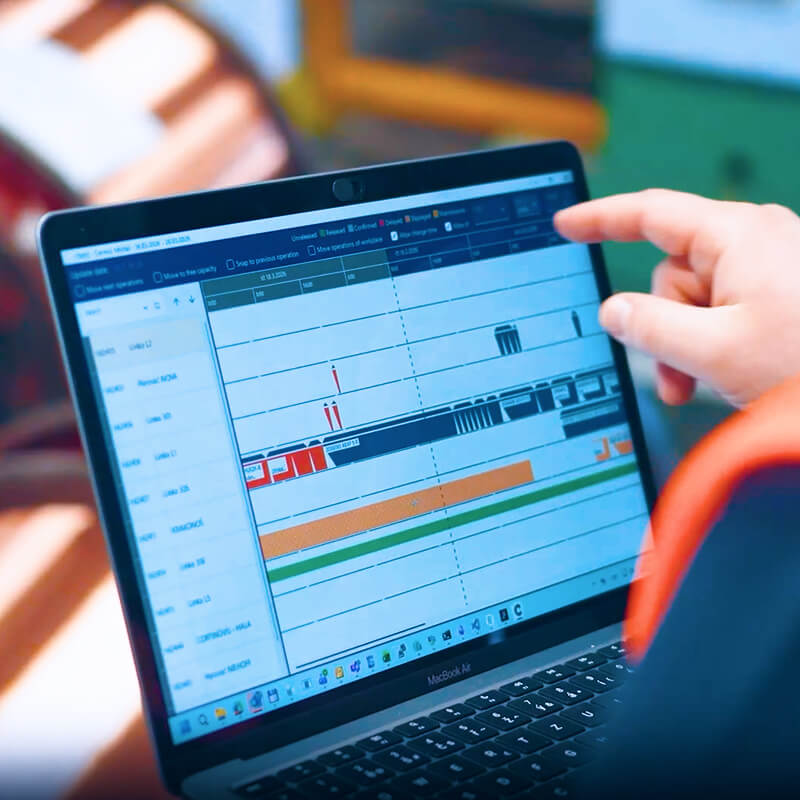
End-to-end work bringing a deeply specialized, decade-old cable-manufacturing system Cadet ERP into the present — from product UX/UI to brand, website, and sales materials — for an international launch at the Wire Düsseldorf 2026 expo.
Building a donation platform from scratch — from its name to the trust it runs on
UX, UI, and brand for Znesnáze, a Czech crowdfunding platform for people in difficult life situations — today over 642M CZK raised, 4,877+ successful campaigns, and more than 613,000 donors.